ASSEMBLY OF ANGELS SECONDARY SCHOOL
AASSMUN BARRACKPORE
29th OCTOBER 2025
Veritas et ordo
Awakening the young minds towards
Global Governance
Message from FOUNDER Chairperson
--MRS. SAIRA ZAKI--
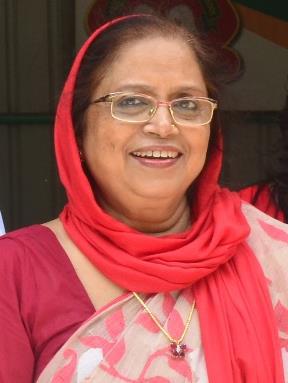
Message from the Principal
--Mrs. SUMANA BISWAS--
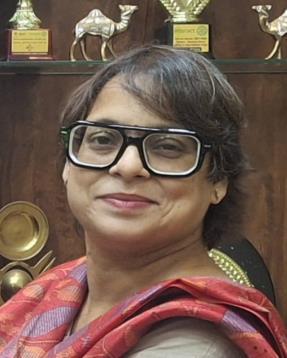
Message from our
CONFERENCE SECRETARY
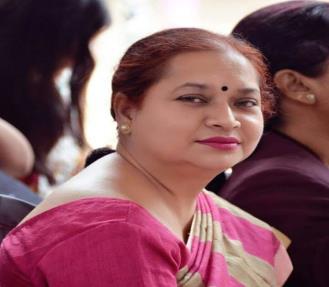
Message from our
MUN-COORDINATORS
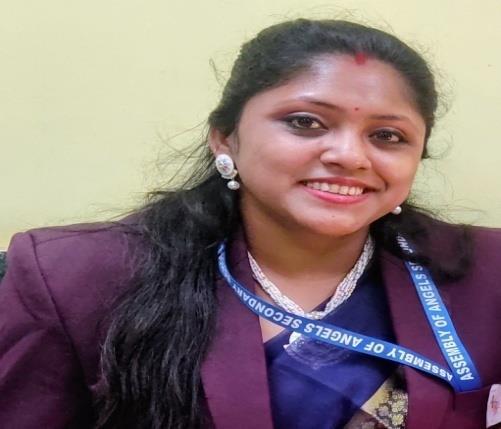
Mrs Nilakshi Ghosh Das
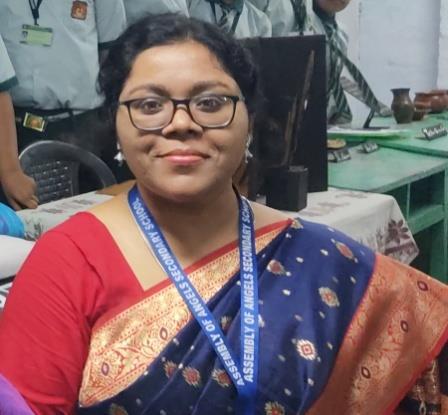
Ms. Mahuya Ganai
The Model United Nations traces its roots back to 1922, marking the beginning of a tradition that has since evolved into a global platform for meaningful and collaborative deliberations. Continuing this legacy, our BARRACKPORE branch will proudly record its first-ever MUN where diplomacy meets strategy.
Through collective efforts and broadened perspectives, we strengthen our hope for a world where justice serves as the foundation for all decisions. Delegates will engage in critical discussions on contemporary global affairs, ultimately determining outcomes that may align with either the objective truth or a constructed narrative the responsibility lies in their hands.
May this MUN stand as a testament to the power of unity, and the enduring impact of thoughtful dialogue.
Veritas et ord
Powered by AASS BARRACKPORE MUN 2025
This MUN isn’t just a platform for debate-it’s a launchpad for impact.
In a bold step toward empowering youth-led innovation, AASS BARRACKPORE MUN proudly introduces the Veritas et ordo. They will be awarded to the Best Delegate & High Commendation recipients across committees, along with their accolades.
Our Purpose
To provide support for delegates to turn their ideas into real-world action-whether that means launching a startup, initiating a community project, conducting research, or anything in between.
Letter from the
SECRETARY GENERAL
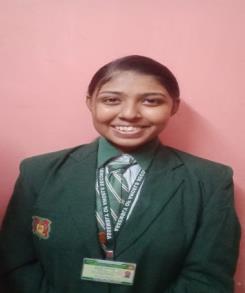
We romanticise diplomacy a lot. The suits, the speeches, the carefully crafted resolutions. But at its core, diplomacy is perplexing. It’s uncomfortable. It’s a hundred people trying to be heard in a world that’s already loud. That’s exactly why it matters.
This MUN isn’t just about policy or procedure -it’s about people. About walking into a room as a delegate and leaving it a little heavier with empathy, a little braver with your voice.
MUN teaches us to look at global crises and see more than statistics. To see people. To realise that the most important part of being a delegate isn’t how strongly you argue, but how deeply you understand.
This is a beginning-not just for the conference, but for the kind of leadership that doesn’t wait for permission. That doesn’t chase applause. We’re not here to perform diplomacy. We’re here to practice it, imperfectly but honestly.
So walk into your committee room with your facts, your fire, your fear, your empathy-bring all of it. This space is meant to hold every part of you.
See you at the heart of it!
Warm regards,
Mayurakshi Sengupta
Secretary General
AASS BARRACKPORE MUN 2025
Letter from the
DIRECTOR GENERAL
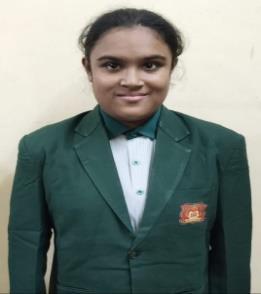
It is with immense pride that I welcome you all to AASS BARRACKPORE Model United Nations 2025.
Organizing this conference has been a dream come true. I always envisioned a platform where students could voice their opinions freely, engage in meaningful dialogue, and evolve into the leaders and diplomats of tomorrow. Watching this vision come alive fills me with immense joy.
This journey would not have been possible without the unwavering support of our Executive Board, whose guidance will shape the debates ahead, our dedicated teachers who stood by us at every step, and my incredible Secretariat team whose passion brought AASSMUN to life.
To our delegates you are the heart of this conference. I encourage you to debate fiercely, listen deeply, and lead wisely.
AASSMUN 2025 marks the beginning of a legacy, and being entrusted to lead its first edition is an honor I will always hold close.
I wish you all an inspiring and unforgettable experience ahead!
“We need to create a world that is equitable, a world that is stable, a world that is tolerant.” Kofi Annan
Warm regards,
Doha Shaik
Director General
AASS BARRACKPORE MUN 2025
ALL YOU NEED TO KNOW ABOUT THIS YEAR
THEME: “Global Reflections on the Russia-Ukraine Conflicts: U.S.
Involvement and the Ripple Effects on the World”
COMMITTEES
1.UNITED NATIONS SECURITY COUNCIL (UNSC):
This is the primary body for addressing international peace and security. This committee will focus on the most direct and contentious element of your topic: military aid, ceasefires, and future security architecture.
2.GENERAL ASSEMBLY: ECONOMIC AND FINANCIAL COMMITTEE (ECOFIN - GA 2ND COMMITTEE)
This committee will handle the “Ripple Effects” with a focus on economics, sanctions, and global development. This allows the anti-U.S. and neutral arguments regarding global trade and poverty to shine.
3. UNITED NATIONS HUMAN RIGHTS COUNCIL (UNHRC)
This committee focuses on the humanitarian and ethical fallout, allowing delegates to discuss war crimes, refugees, and the moral aspect of the conflict and U.S. involvement.
4. INTERNATIONAL ATOMIC ENERGY AGENCY (IAEA)
This committee addresses the critical and existential threat of nuclear safety, which is central to the Ukraine conflict due to the presence of nuclear power plants (NPPs) in the war zone.
5. WORLD TRADE ORGANIZATION (WTO) COUNCIL FOR TRADE IN GOODS
This focuses purely on the economic and trade aspects, specifically addressing the disruption of global supply chains for essential commodities and the legality of trade blockades/sanctions. This is an ideal place for the “Against” arguments on global trade destabilization.
6. INTERNATIONAL MONETARY FUND (IMF) BOARD OF GOVERNORS
This specialized financial body focuses on macroeconomic and financial stability, allowing delegates to discuss the debt crisis, reconstruction costs, and the financial ripple effects of the war on the global south.
7. INTERNATIONAL PRESS (IP) / PRESS CORPS
Focus Topic: “Reporting on Geopolitical Rivalries and Global Ripple Effects: The Challenge of Impartiality and Media Bias in the Russia-Ukraine Conflict.”
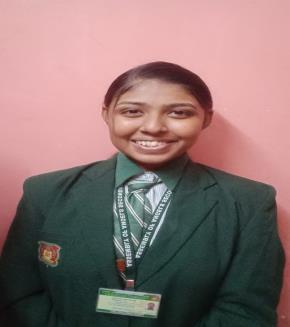
1. SECRETARY GENERAL: MAYURAKSHI SENGUPTA
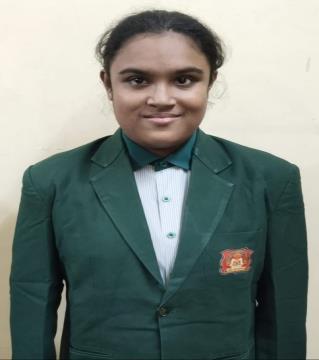
2. DIRECTOR GENERAL: DOHA SHAIK
3. United States – Argues that aid to Ukraine protects sovereignty, democracy, and the rules-based international order
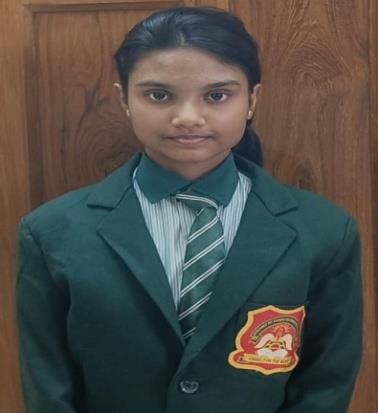
SATAVISHA MAJUMDAR
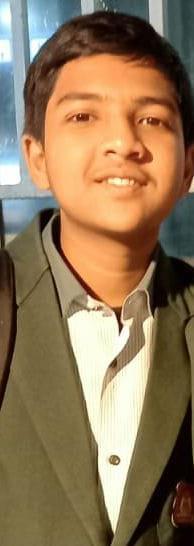
SOURAYAN CHANDA
4. Ukraine – Strongly supports; without U.S. aid, Ukraine would collapse under Russian aggression , which would encourage future invasions elsewhere.
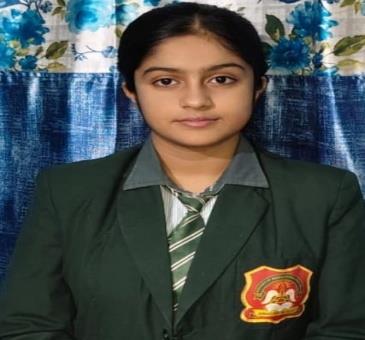
MADHURIMA BANERJEE
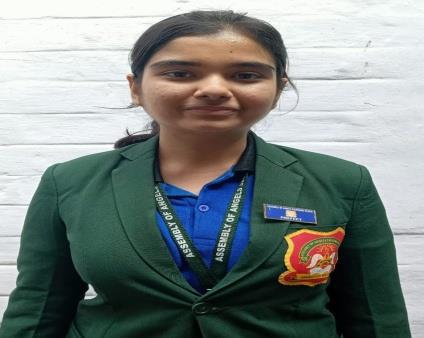
SRESTHA MUKHERJEE
5. European Union– Mostly for; U.S. support helps defend Europe’s security and Ukraine’s independence, though with some economic costs.
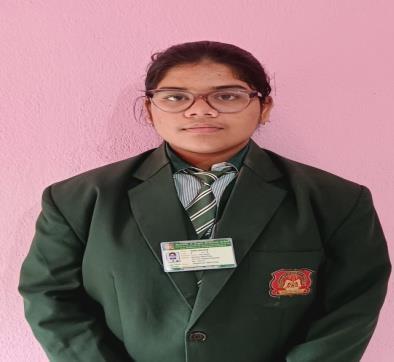
RAISA PARVEEN
SRESTHA CHAKRABORTY
6.Russia– Opposes; claims U.S. is fueling the war, expanding NATO, and using Ukraine as a pawn.
MD RYAN HUSSAIN
SUBHANGI GOON
7.China– Against; U.S. unilateralism and sanctions destabilize global trade and worsen the crisis.
AMAN AGARWAL
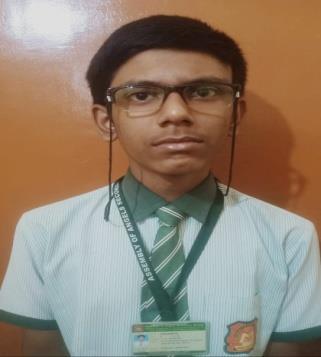
ANGSHUMAN DEY
8. India– Neutral leaning against; while opposing aggression, India stresses that sanctions and weaponization hurt developing nations
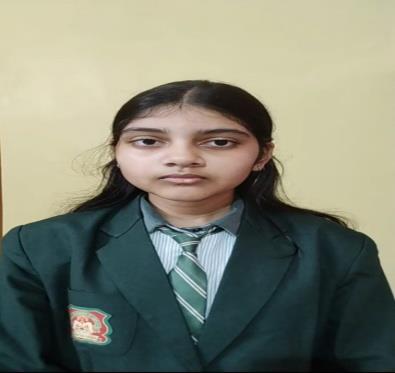
SAKSHI AGARWAL
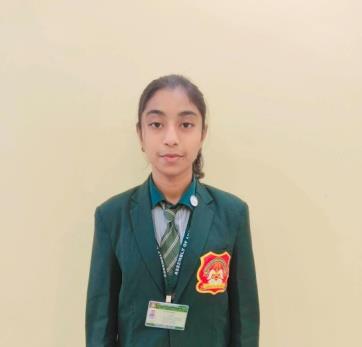
MAYURAKSHI SAHA
9. African Union – Against; highlights how sanctions and war escalate hunger, fuel shortages, and crisis in Africa
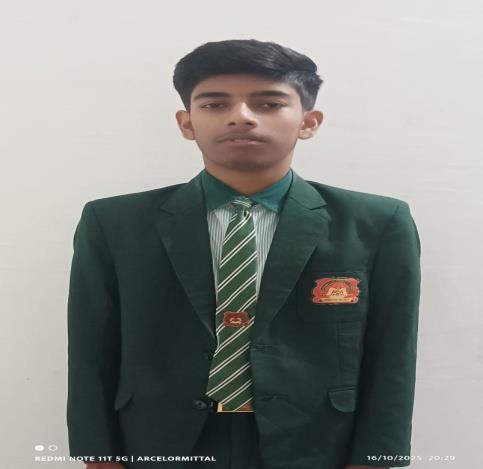
AVINASH KUMAR DAS
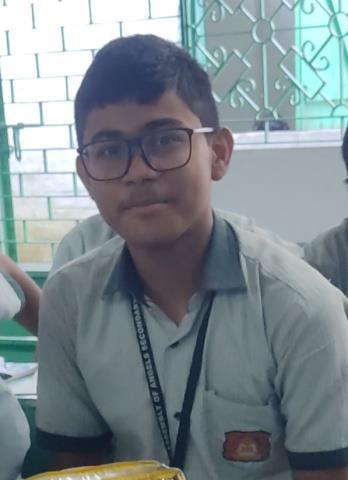
AMITAYU CHOWDHURY
10. Brazil – Against; warns of a “new Cold War” where smaller nations pay the price for U.S.–Russia rivalry.
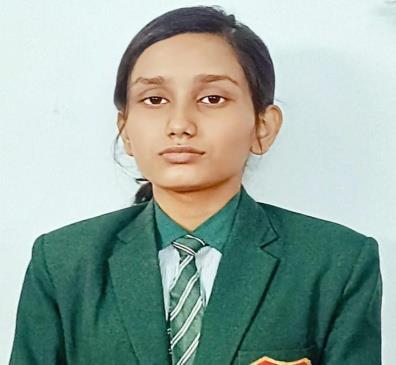
NABANTIKA MANDAL
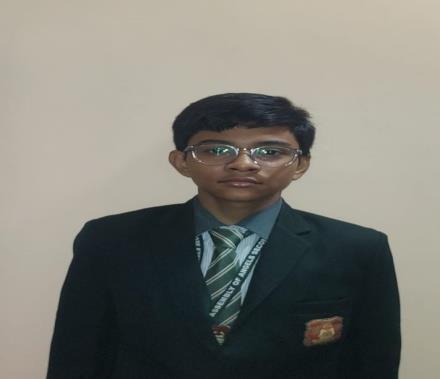
ABHIRUP BISWAS
11. International Press-
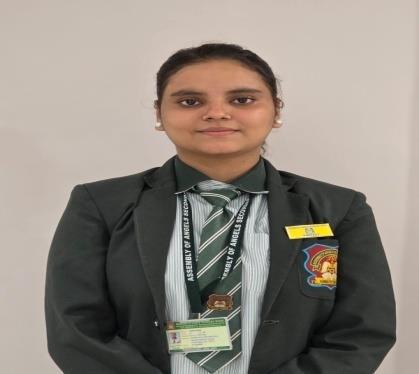
ZAINA KHAN
DHRUBADEEP PARUI
ASSEMBLY OF ANGELS SECONDARY SCHOOL
BARRACKPORE
MODEL UNITED NATIONS
2025
Mail us:- enquiries@ssemblyofangels.org
• Contact us:- 9903360730/7044704337
• Follow us:-
Facebook- assemblyofangels.org
Instagram- assemblyofangels
Website- www.assemblyofangels.org
AASSMUN 2025 Guide
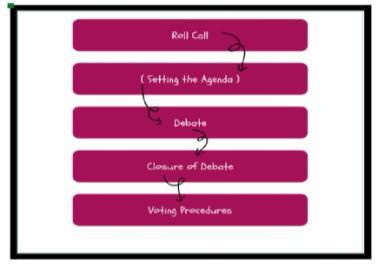
This is a flowchart indicating the flow of debate. We’re putting it here so you get a grasp of the order in which what happens in the conference room:
(*Note that if there is only one topic for each committee, the setting of the agenda will be dismissed) (**The debate session is composed of the general speakers’ list and numerous motions)
(*Note that if there is only one topic for each committee, the setting of the agenda will be dismissed) (**The debate session is composed of the general speakers’ list and numerous motions)
ROLL CALL
Every committee session begins with Roll Call. When your delegation’s name is called upon, raise your placard high and say “present” or “present and voting.” (*If you say present: The delegate can say yes/no/abstain/pass when voting for a resolution) (**If you say present and voting: The delegate can say yes/no/abstain when voting for a resolution)
GENERAL SPEAKERS’ LIST
The speaking time for the General Speakers’ List is automatically set at one minute for each delegate. If delegates wish to be added to the General Speakers’ List, they should simply raise their placards when the Chair says “Delegates who wish to be added to the General Speakers’ List, please raise your placard.” They can also add themselves to the List by passing a note to the Dais team (Chair and Vice-Chair) that says something like this: “ The delegate of ‘8 Country’ would like to be added to the General Speakers’ List.” After giving a speech, delegates should yield their remaining time.
YIELDING
After a delegate finishes his/her speech, the Chair will ask: “Delegate, how would you like to use your remaining time?” Delegates are allowed to:
1. Yield time back to the chair: This is the standard reply if delegates do not wish to do anything with their remaining time.
2. Yield time to another delegate: If the delegate yields his/her time to another delegate, that delegate must use the remaining time to make his/her remarks.
3. Yield time to questions: If the delegate yields his/her time to questions, other delegates in the committee room are allowed to ask him/her questions.
MOTIONS
In the MUN procedure, there are different types of motions that serve different purposes. If you’re not familiar with them, they can seem pretty intimidating. And that’s exactly why we’re here to help! We’ll be introducing some of the most commonly used motions in a conference below:
MODERATED CAUCUS
During a moderated caucus, a topic is chosen, and all speeches made should comply with that specific topic. The speaking time set for each speaker and the “topic” of the moderated caucus is set by the chair. It is also very important to keep in mind that there is no time-yielding for this session.
UNMODERATED CAUCUS
During an unmoderated caucus, delegates are encouraged to walk around in the conference room to share their thoughts and opinions with other delegates so that they can convince the delegates of the other countries to support their cause. You will have approximately five minutes to do this after the closure of the moderated caucus The time set for a moderated caucus is set by the delegate who raised the motion.
CLOSURE OF DEBATE
By raising this motion, the Chair or the Vice-chair is informing the delegates that the debate has come to an end and that they have to be ready to vote on the draft resolutions. Thus, chairs do not raise this motion until the very last session. If this motion passes, the committee will automatically move into voting procedures.
SUSPENSION OF THE MEETING
To “suspend” is to “temporarily prevent from continuing or being in force or effect.” Thus, a suspension of the meeting would mean to temporarily end the meeting. Delegates are expected to raise this motion at the end of each and every (except the last) session for a lunch break or maybe a doughnut break (you wish).
POINTS
From asking for permission to go to the restroom to asking a question about the rules of procedure, there are numerous situations in which a delegate would raise a “point.” There are three types of points in general: point of personal privilege, point of order, and point of parliamentary inquiry.
Point of Personal Privilege
Normally, this point is used to ensure that a delegate’s personal rights are being taken into account. The following are several more common situations in which a delegate would raise a point of personal privilege:
1.Asking the Chair whether you may use the restroom
2.Asking the delegate that is currently speaking to speak up
3.Asking to turn up/down the air conditioning
Point of Parliamentary Inquiry
If a delegate is not sure about a certain procedure, he/she may raise this point and ask the Chair about it. Here’s an example: “Point of parliamentary inquiry: What are some ways a delegate may yield his/her remaining time?”
Point of Order
This point is used to indicate an instance of improper parliamentary procedure. Now, unless you’re a veteran of Model UN and know all of the ROPs by heart, we wouldn’t suggest you to raise this because it may seem offensive to your Dais team (you don’t want that!). But anyhow, we’re still going to demonstrate how this point is used: “Point of order. The delegate believes that the Chair should not ask delegates how they would like to yield their time during a moderated caucus.”
INTRODUCING A DRAFT RESOLUTION TO THE COMMITTEE
This motion is raised after delegates have received their copies of “potential draft resolutions.” To introduce a “potential draft resolution” to the committee, sponsors of the document must first approach the podium and read out all of the operative clauses. Then, the entire committee will have a vote on this motion. If it passes, the document will shall be referred to as a “draft resolution.”
VOTING PROCEDURES
The Chair will raise motions “for a roll call vote” or “to vote by acclamation.” If neither of these motions are raised, the committee will vote with regular voting procedures.
Roll call vote
A “roll call vote” simply means to vote by roll call. Delegates are allowed to vote “yes,” “no,” “pass,” or “abstain.” If a delegate votes “pass,” he/she may only vote “yes”/”no” upon the second round.
*hint:
If a delegate had said “present” during roll call of the last session: allowed to vote “yes,” “no,” or “abstain” on documents. If a delegate had said “present and voting” during roll call of the last session: allowed to only vote “yes” or “no” on documents.
Vote by Acclamation
Voting by acclamation simply means “to vote by clapping.” This motion is normally raised when there is only one dominant bloc in the committee room and that bloc is sure that no one will oppose its draft resolution. Thus if no one objects this motion and everyone claps when voting, the draft resolution passes.
Standard Voting Procedures
To vote by show of hands.
5. Declaration
I, _________________________ (Delegate Name), hereby declare that the information provided above is true and correct to the best of my knowledge. I agree to abide by the rules and regulations set forth by the AASS MUN Secretariat.
Signature of Delegate:
_______________________________________
Date: _______________
Signature of Faculty Advisor/Parent (For
External Delegates):
__________________________________________
______________